Choosing the Right Processes for Workflow Automation
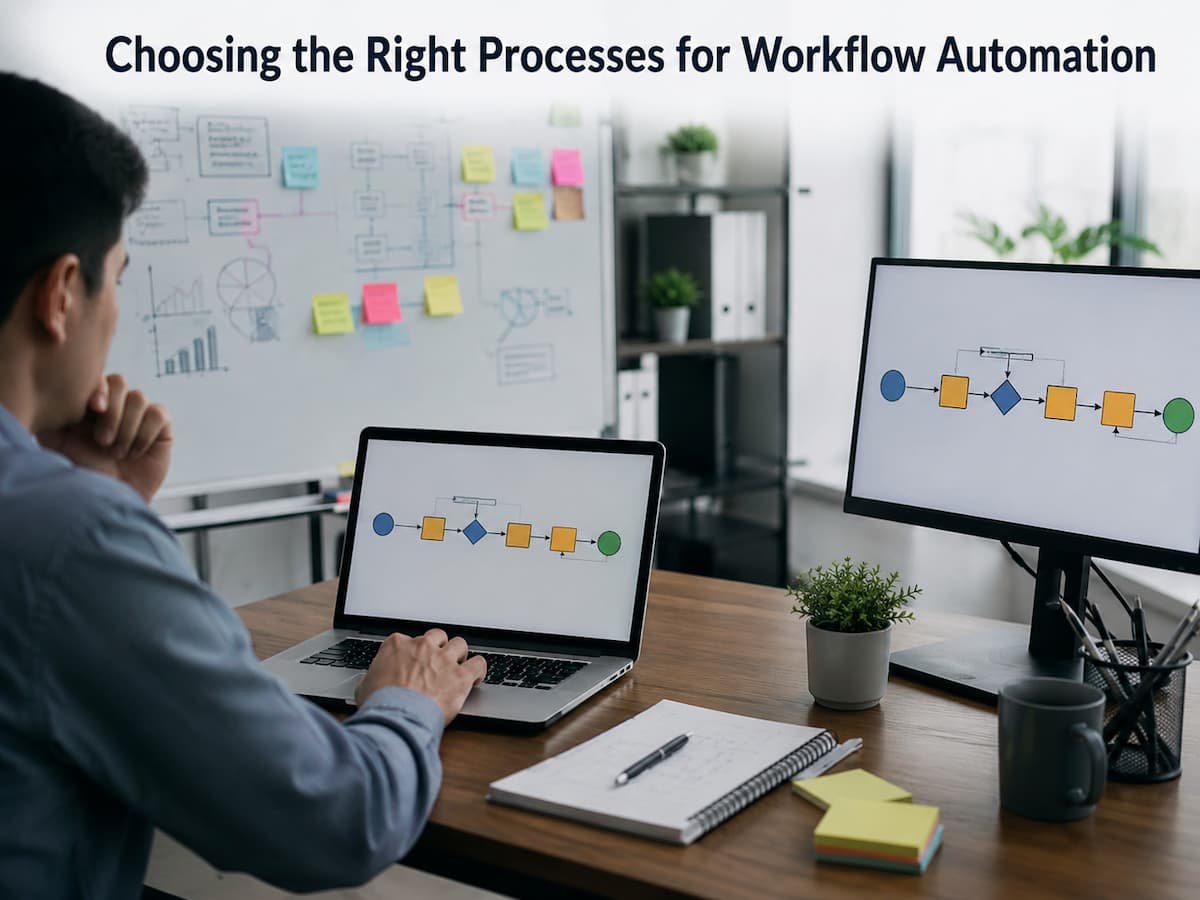
Some small business owners observe that someone does the same task daily. Someone transfers email data into a spreadsheet, someone checks task completion, and someone sends a deadline reminder. Finding an automation tool is natural. That makes sense, but does it answer the more crucial question: should the entire process be automated? Not all repetitious … Read more

Why Poor Automation Creates Bigger Business Problems

A company automated a routine task because employees occasionally made minor errors. A form was linked to a spreadsheet, which in turn imported data into another system, and every change triggered an automatic notification. The new workflow initially appeared successful. Employees had to copy less data, and productivity increased. However, data errors were discovered. Customers … Read more

Building Automation Rules That Support Better Decisions

A business can automate almost any repetitive action if the right tools and integrations are available. But moving information from one system to another is not necessarily the most useful purpose of automation. In many business processes, the real opportunity is helping people make better decisions at the right moment. Consider a customer request that … Read more

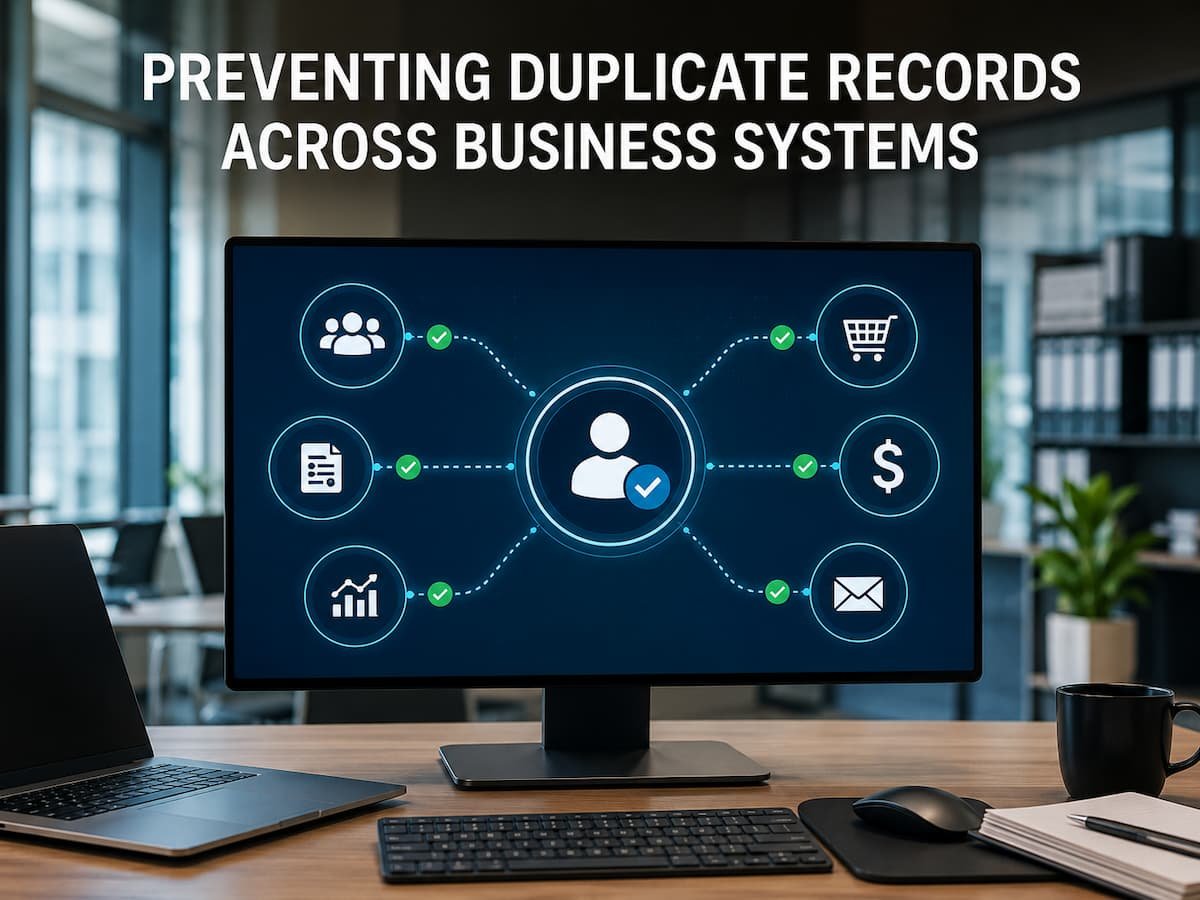
Preventing Duplicate Records Across Business Systems

Customers provide businesses their email addresses. An employee creates a new record after searching the client database but without finding a match. Some days later, the same consumer fills out an online form. Their name is spelled differently now. The system produces a new record if it cannot find one. Nothing seems broken. Neither record … Read more

Planning CRM Integrations Without Disrupting Operations

Integrating a CRM with accounting software, email services, customer support applications, websites, inventory management systems, or other business tools can significantly streamline operations. Customer data can transfer seamlessly between systems, allowing employees to dedicate less time to data duplication and enabling teams to access more comprehensive information for decision-making. However, the implementation of CRM integration … Read more

Reducing Manual Data Entry Through Smart Automation

Customers provide detailed information via a website, which an employee then enters into a spreadsheet. Subsequently, an employee enters the same information into the customer management system. Later, another employee enters part of this information into an invoice or internal document. Although this task consumes several hours each week—often without employees fully realizing it—few employees … Read more

Using APIs to Connect Everyday Business Processes

Businesses rarely rely on a single application. For instance, a customer places an order on a website, the order details are stored in an e-commerce system, accounting software generates an invoice, and customer service is subsequently contacted via a different platform. Unless these applications can share data, employees usually have to link them manually—for example, … Read more

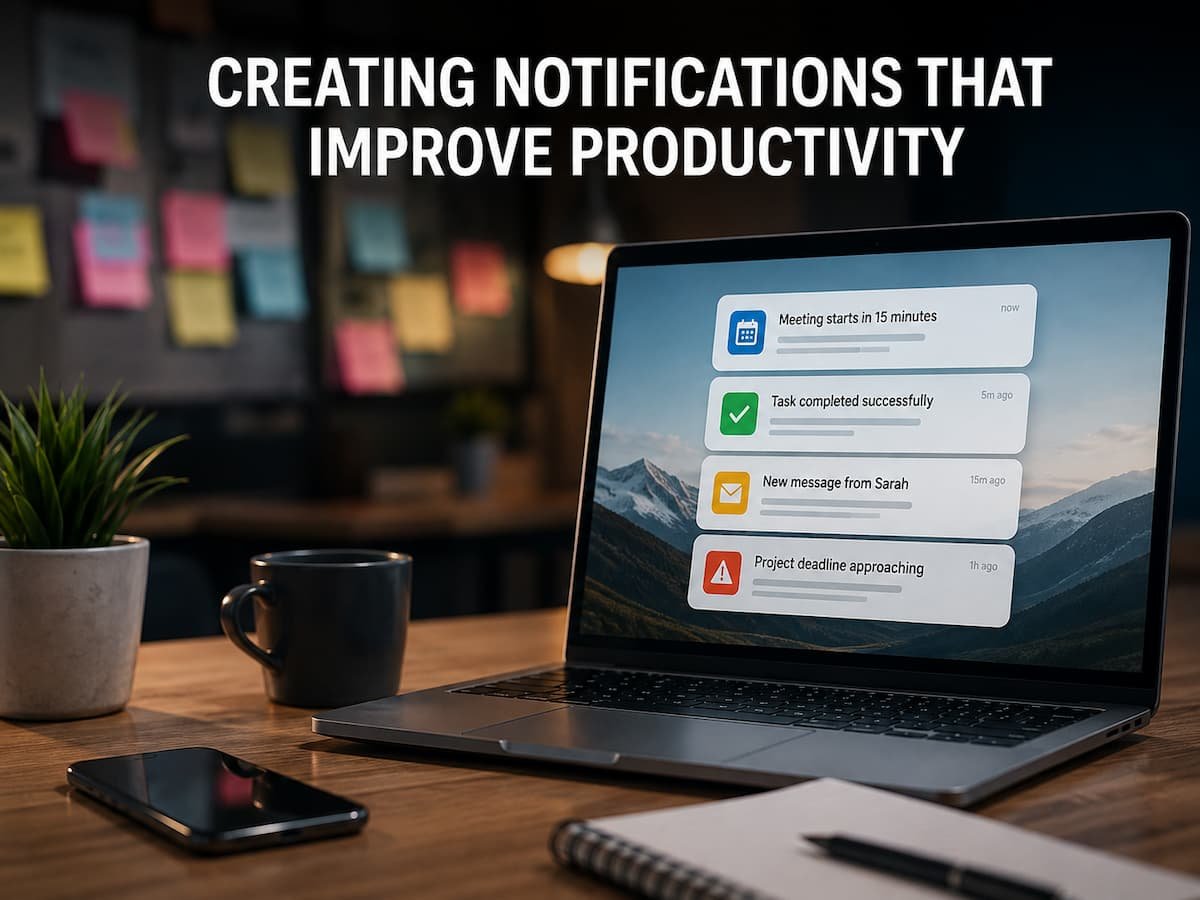
Creating Notifications That Improve Productivity

Notifications are intended to facilitate work. Messages need to arrive promptly when customers require attention; requests for approval must come through quickly when decisions need to be made; and automated systems need to alert managers to various issues. These notifications should prompt employees to take immediate action. However, in many workplaces, notifications turn into frequent … Read more

Evaluating Automation Projects Before Investing

Automation appears to be a simple solution to complex business problems. Repetitive tasks are time-consuming and prone to human error, and software promises to automate them. The wide array of available platforms and pricing models is tempting. However, purchasing automation technology without first understanding the underlying processes can create more problems than it solves. Companies … Read more

Using AI to Improve Business Workflows Responsibly

AI changes how organizations do daily labor. AI can summarize, categorize, draft, discover trends, extract data, and help employees understand large amounts of data. These skills help business managers manage slow workflows. Connecting and running a tool to integrate AI into a workflow is not enough. AI systems may misinterpret context, reveal sensitive data, or … Read more