How Long Does a CRM Implementation Really Take?

The implementation time for a CRM system can range from weeks to months, depending on the company’s needs. Installing the software is usually not the most difficult part. The real challenge lies in preparing the data, determining how employees will use the CRM, configuring the system, integrating it with other applications, testing the system, and … Read more

How to Build a Customer Lifecycle Strategy From First Contact to Retention

A customer relationship does not begin when someone makes a purchase, and it does not end when an order is delivered. People usually move through several stages before and after becoming customers. They may first discover a business, compare different options, ask questions, make a purchase, learn how to use the product, return for another … Read more

Building Reporting Systems That Scale with Growth

For small businesses, generating reports is usually straightforward. Sales managers export customer data from a CRM (Customer Relationship Management) system, the finance department uses a few spreadsheets, and department heads meet weekly to discuss financial figures. Because the sources of information are clear and few systems are involved in the final data entry, report generation … Read more

Choosing the Right Processes for Workflow Automation

Some small business owners observe that someone does the same task daily. Someone transfers email data into a spreadsheet, someone checks task completion, and someone sends a deadline reminder. Finding an automation tool is natural. That makes sense, but does it answer the more crucial question: should the entire process be automated? Not all repetitious … Read more

Designing Dashboards That Drive Better Actions

Dashboards are now ubiquitous in most organisations. Sales teams evaluate sales channels, customer service managers assess responses, marketers evaluate campaigns, and executives review revenue figures. Despite the vast array of dashboards available, many critical decisions are still made by interpreting dashboard content alongside spreadsheets, email summaries, or lengthy meetings. This is not because dashboards lack … Read more

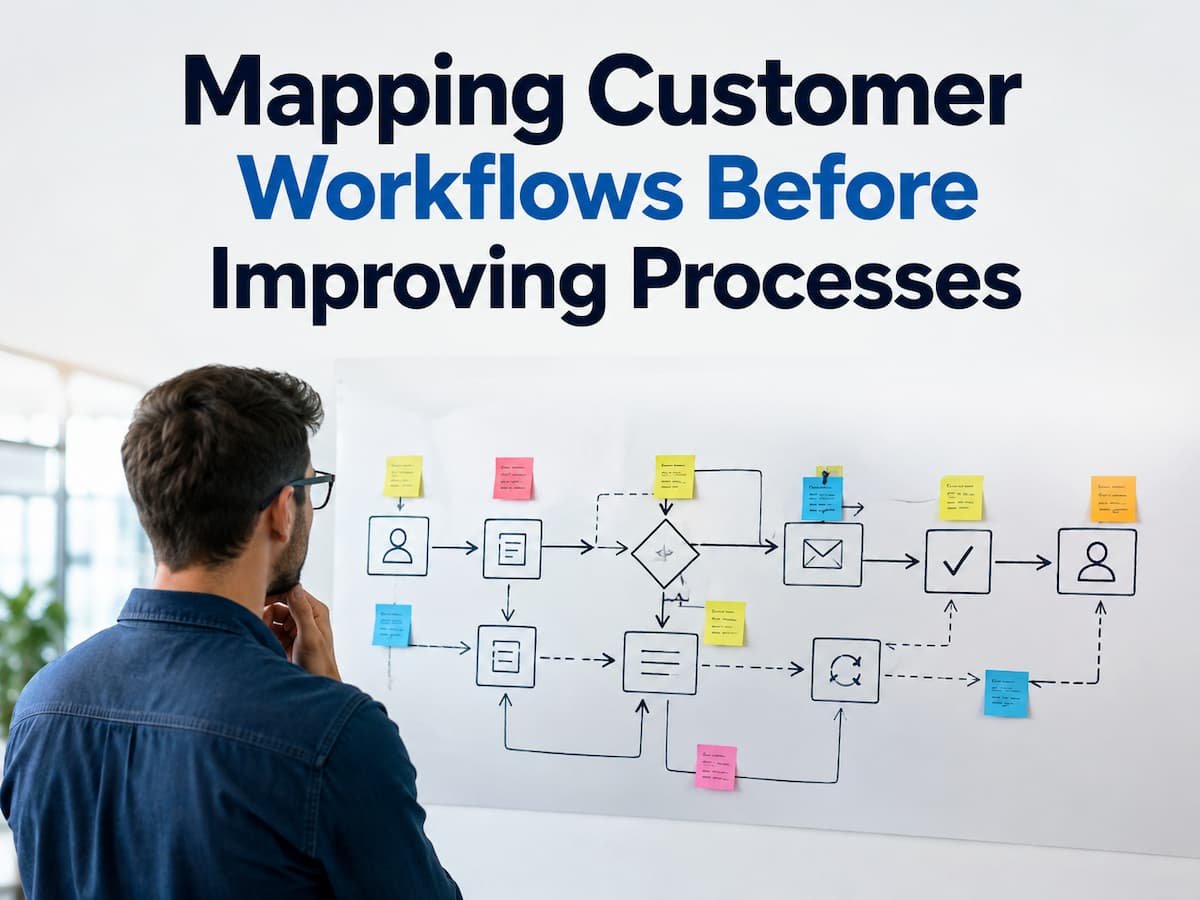
Mapping Customer Workflows Before Improving Processes

Many companies strive to improve operational efficiency by rapidly implementing new tools, introducing automation, or establishing new rules. While these measures can sometimes be effective, they often yield limited results due to a lack of insight into the actual customer journey within existing processes. Customer interactions with a company can encompass multiple stages: product identification, … Read more

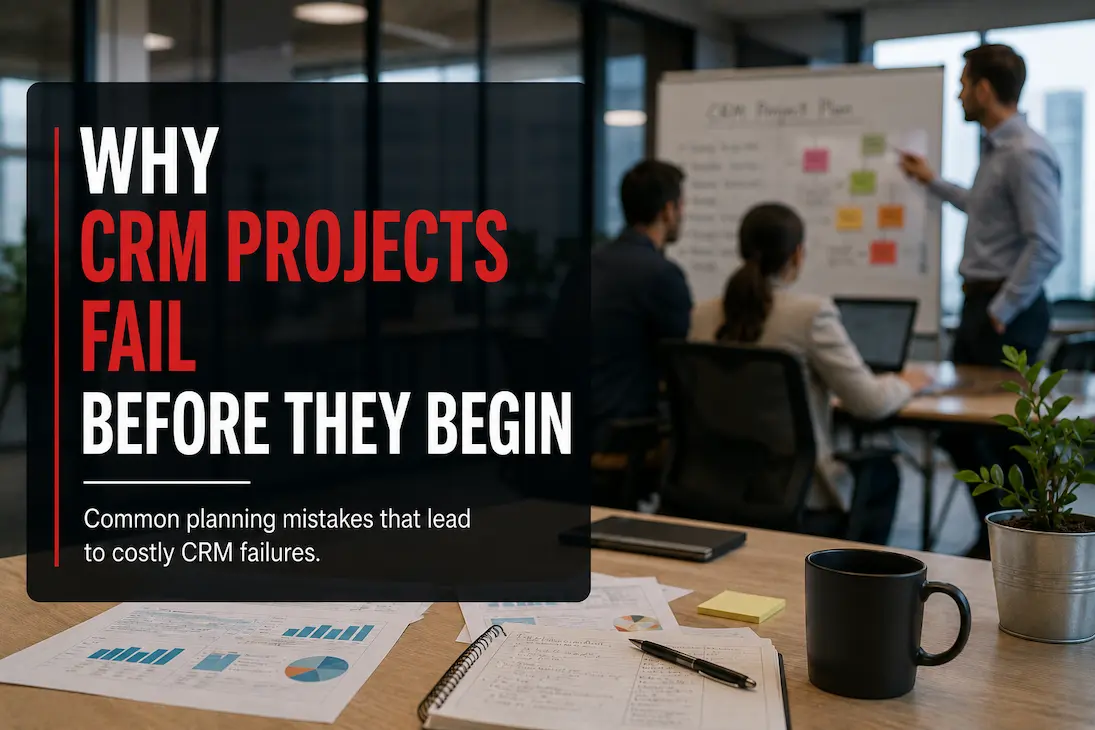
Why CRM Projects Fail Before They Begin

This was exciting news. After months of negotiations, a thriving distribution company agreed to make a significant investment in a new CRM (Customer Relationship Management) system. Management expected the technology to boost customer engagement, improve sales efficiency, and enhance information transparency across departments. The project team was assembled, the implementation date was set, and software … Read more

Why Poor Automation Creates Bigger Business Problems

A company automated a routine task because employees occasionally made minor errors. A form was linked to a spreadsheet, which in turn imported data into another system, and every change triggered an automatic notification. The new workflow initially appeared successful. Employees had to copy less data, and productivity increased. However, data errors were discovered. Customers … Read more

Turning Customer Feedback into Business Improvements

Many companies collect customer feedback but struggle to utilize it effectively. Despite the influx of daily reviews, survey results, support messages, and comments, this information often goes unused. A lack of feedback is not the primary issue; the real challenge lies in understanding that feedback and selecting actions that create value. Common questions from new … Read more