Scaling CRM Systems Without Added Complexity
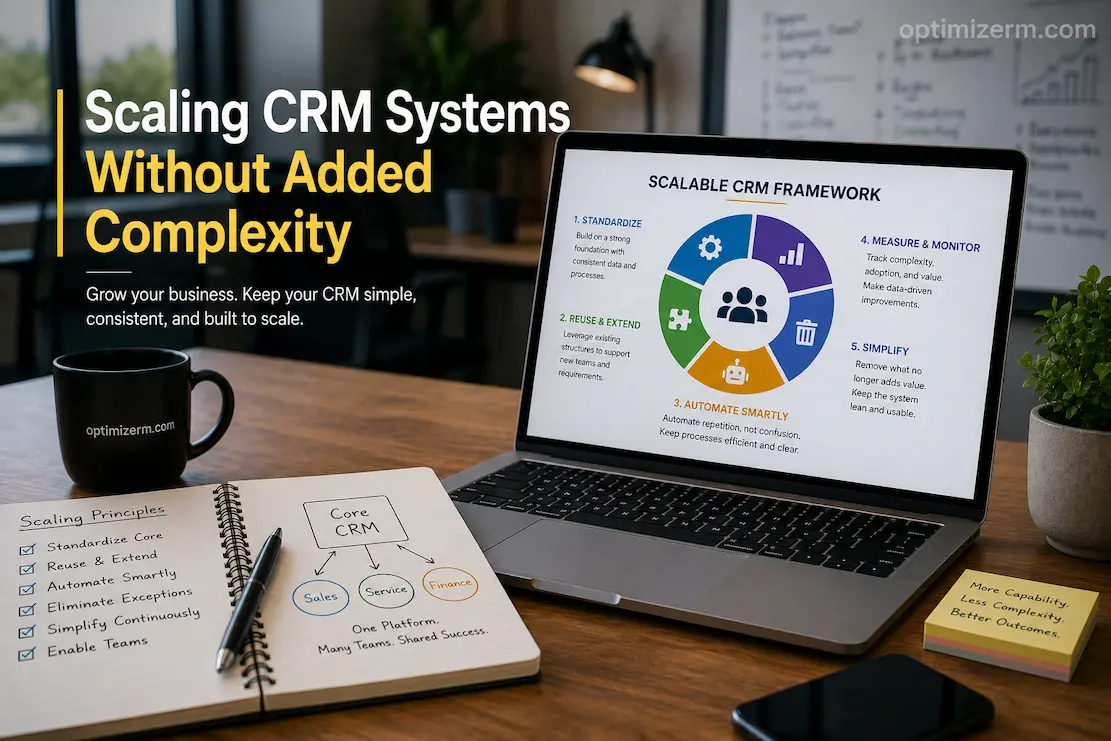
CRM management becomes increasingly complex when teams use expansion as an excuse to add everything. Creating more dashboards for various managers, more fields for new teams, more workflows for special cases, and more integrations when a department needs to retrieve data from other systems—these choices may seem harmless in isolation. Yet problems arise: managers receive … Read more

Measuring the Real Impact of Workflow Automation

Automated business processes can create a strong first impression. Tasks that previously required manual intervention can now be performed without employee involvement. Data is automatically transferred between systems, notifications appear without needing to be sent, and daily data analysis takes mere seconds. This shift can easily create the impression that automation is a success. However, … Read more

Why Customer Data Loses Value as Businesses Grow

Many small businesses can track customers without complex data management systems. For existing customers, they often only need to know names, favorite products, and the employee who last interacted with them; spreadsheets, email inboxes, and simple customer management systems may suffice. As a business grows, the customer base expands, new employees use different systems, and … Read more

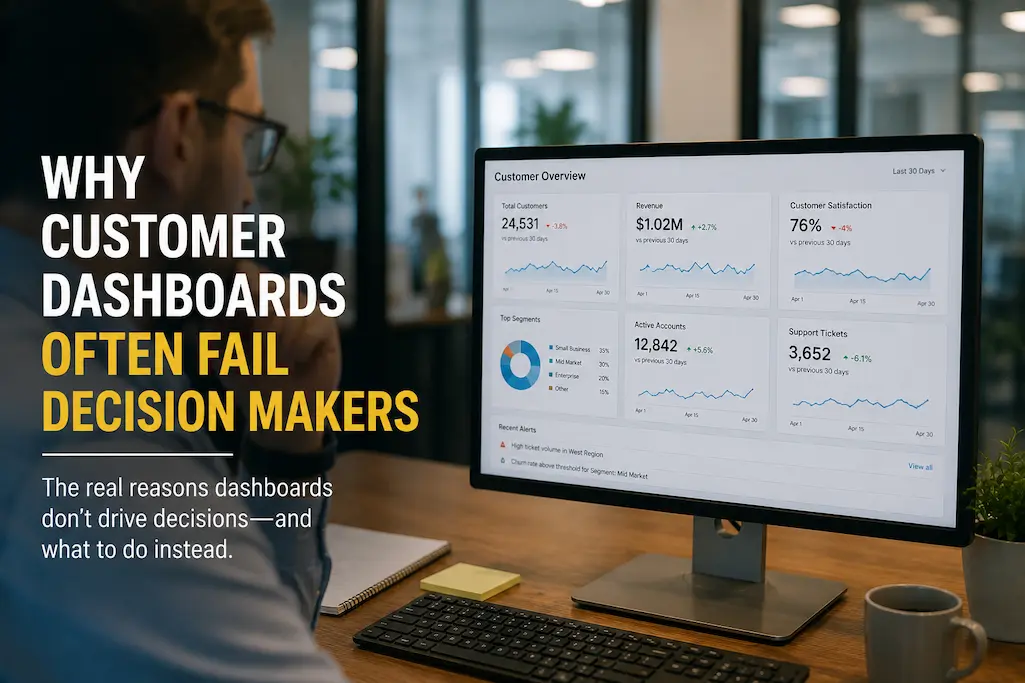
Why Customer Dashboards Often Fail Decision Makers

Companies expect customer dashboards to streamline decision-making processes and therefore invest significant time and money in their development. A well-designed dashboard centralizes sales performance, customer behavior, service metrics, marketing results, and operational data on a single platform. In theory, managers should be able to reliably determine resource allocation, improve the customer experience, or adjust business … Read more

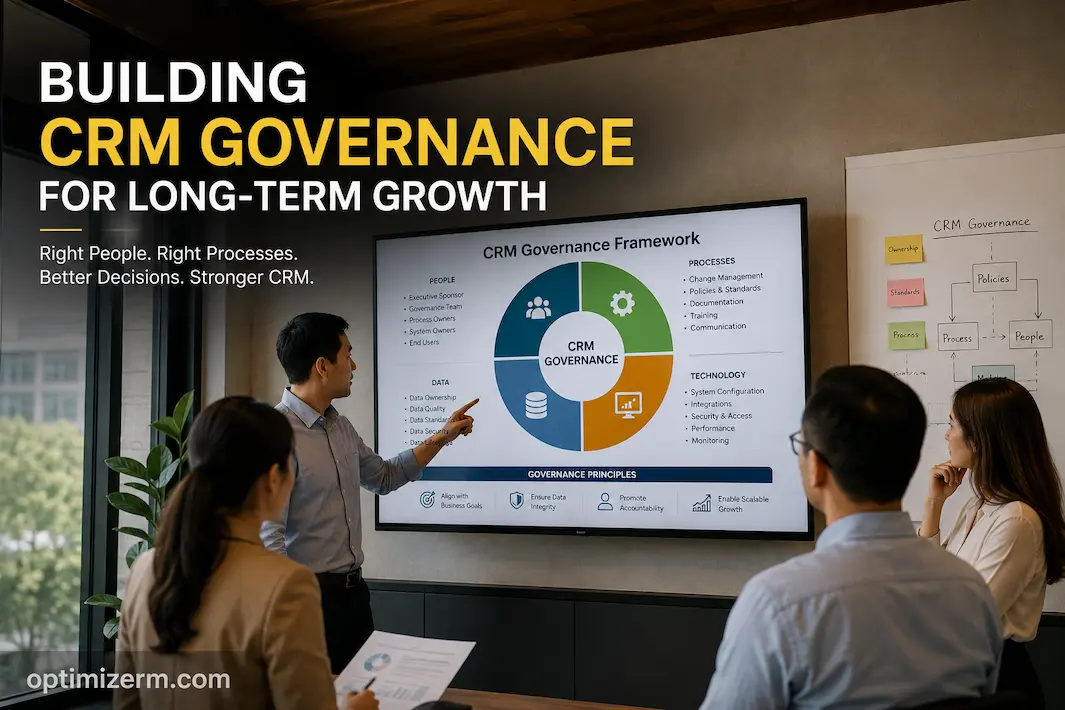
Building CRM Governance for Long-Term Growth

A CRM system may function perfectly at launch, yet years later, it can still cause significant operational issues. Employees may continue to log their activities, the software may remain stable, and the company might even add new dashboards, connectors, and automation features. However, beneath this seemingly stable façade, duplicate fields accumulate, ownership becomes blurred, access … Read more

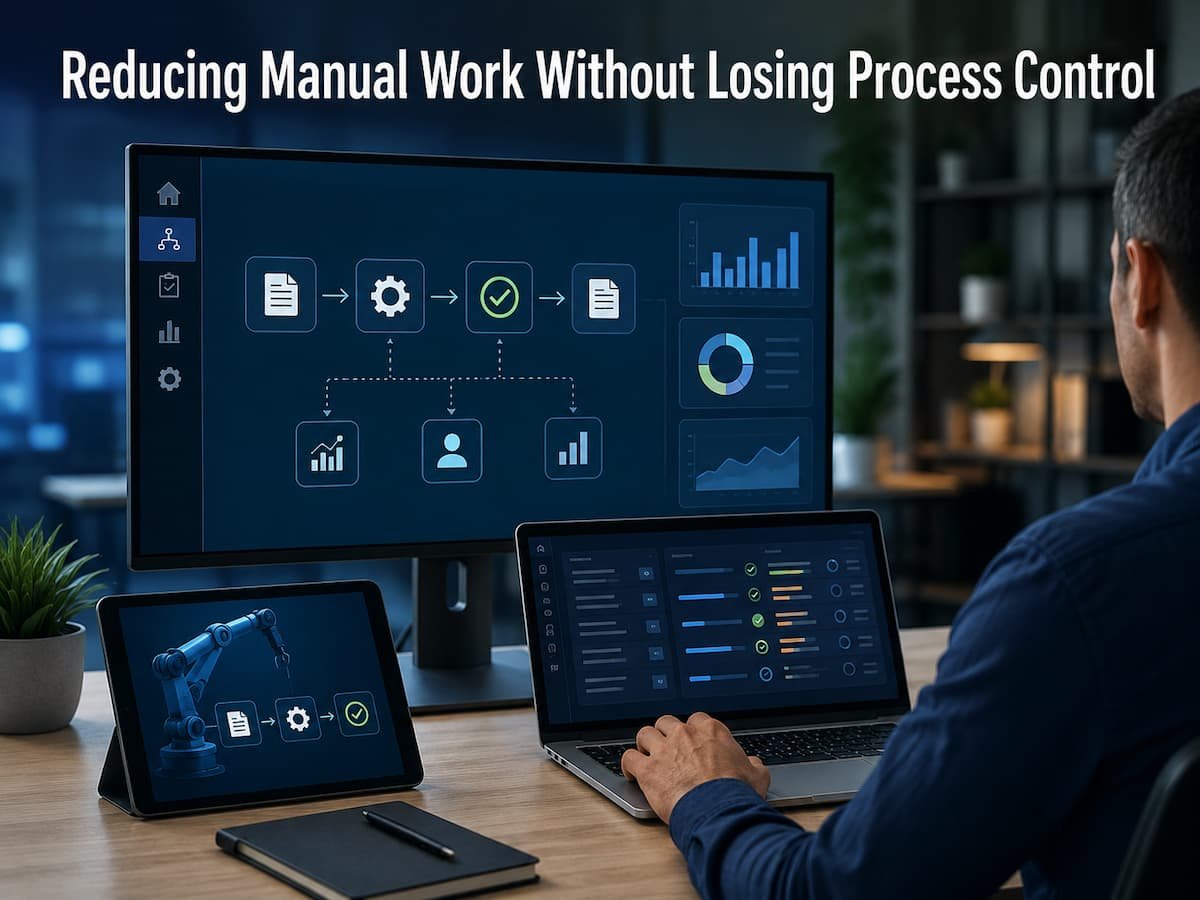
Reducing Manual Work Without Losing Process Control

Manual work is not inherently problematic; some tasks require human judgment, careful review, or direct communication. The issue arises when employees spend significant time each day repeatedly performing tasks that systems could handle more efficiently—such as copying data between applications, sending routine reminders, verifying specific fields, generating standard reports, and moving requests from one stage … Read more